


From Firefighting Operations to Autonomous Operations: What Problems Do Operation AI Agents Solve?
To be candid: How painful is current IT operations really?
As an IT operations engineer, your daily work is filled with repetitive tasks:
- The moment you arrive at the office, dozens of alerts flood in via DingTalk, SMS and emails, leaving you unable to tell critical issues apart from trivial ones.
- Troubleshooting a fault becomes a lengthy process: checking monitoring data, digging through logs, looking up CMDB records, consulting network teams and then developers. It easily takes half an hour just to go through all these steps.
- IT assets are managed manually with Excel spreadsheets. New devices require manual entry upon launch, while decommissioned ones are often left unremoved. Asset inventory never matches actual records.
- Whenever business systems slow down, everyone turns to the operations team, questioning network, server or storage issues. Yet it’s hard to pinpoint the real root cause.
- With multi-location deployments, multiple clusters, and a mixed environment of domestic IT infrastructure and conventional systems, separate tools fail to unify management, and data cannot be shared across platforms.
- Manual on-site inspections take two hours per computer room, conducted just once a week. Potential hidden risks are discovered purely by chance.
- You repeatedly handle recurring issues every week: full disk space, crashed processes, blocked ports, clock drift and more. Gradually, operations staff end up acting like mere script executors.
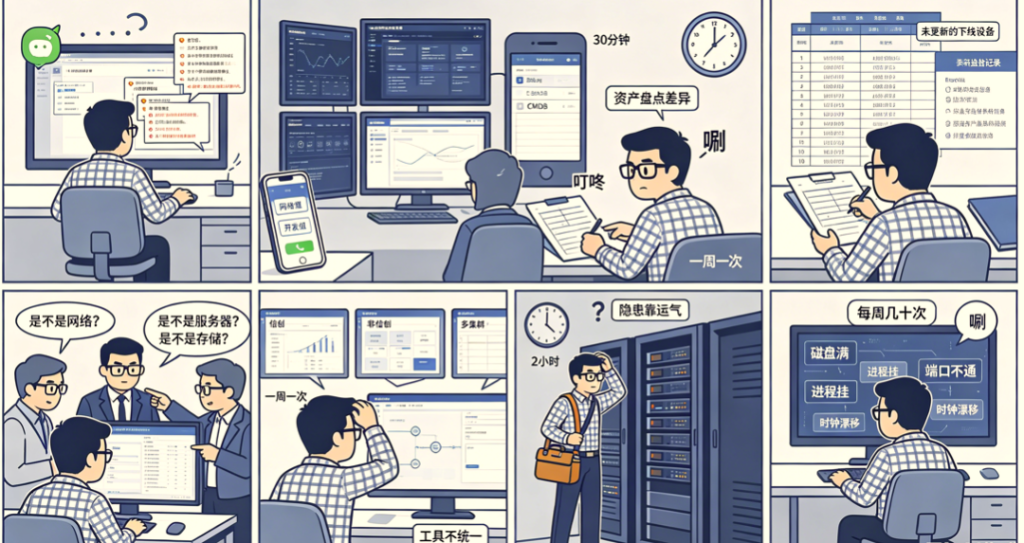
These are not isolated problems, but universal dilemmas across the entire IT operations industry.
As IT environments grow more complex, devices multiply and business workloads keep rising, human manpower can no longer keep pace with the speed of IT systems.
Why do the traditional trio of operations tools — monitoring, CMDB and automation — fall short?
- Monitoring: Only raises alerts, without intelligent judgment.
- CMDB: Merely records information, without real-time data updating.
- Automation: Simply executes commands, without independent decision-making.
These three systems operate in isolation, with disconnected data, logic and workflows. Ultimately, human staff still have to bridge all the gaps manually.
The Operations AI Agent: Not just a concept, but a thinking-enabled operations system
Lerwee defines the Operations AI Agent clearly:
It is a closed-loop system capable of automatic discovery, all-round monitoring, issue decomposition, intelligent analysis and autonomous execution.
Its fundamental differences from traditional operations tools are as follows:
1. Perception Capability
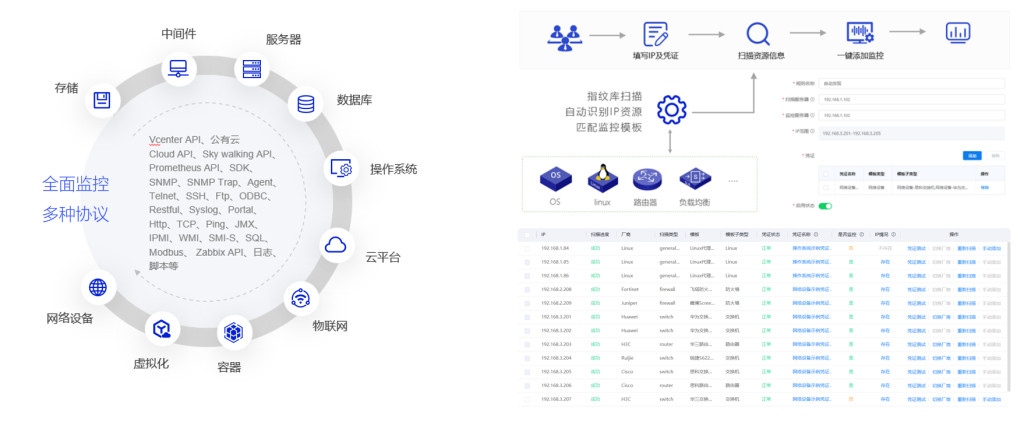
It delivers comprehensive monitoring adaptable to diverse IT and IoT environments.
- Compatible with both domestic IT infrastructure and mainstream hardware & software; supports over 500 vendors, 8,000 device models and a 100,000+ metric system.
- Works with dozens of communication protocols. Built-in adaptive technology automatically identifies device types, manufacturers and models with high precision.
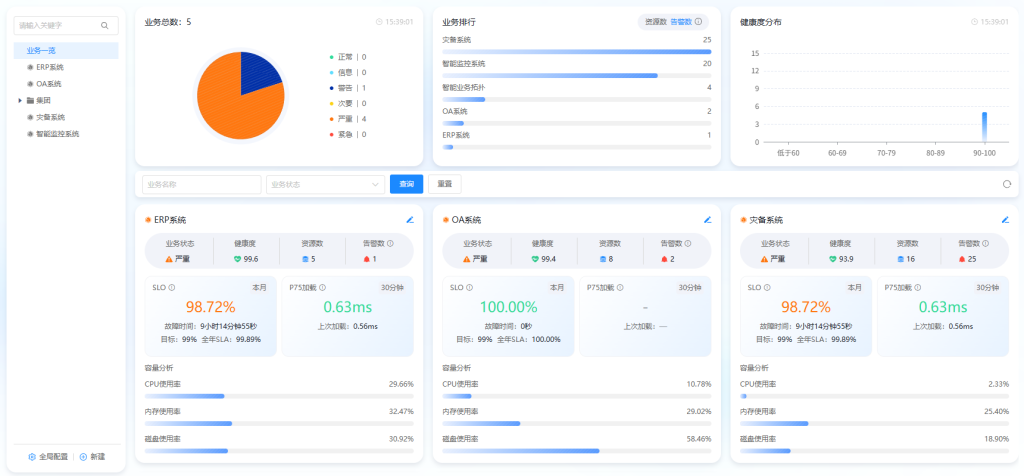
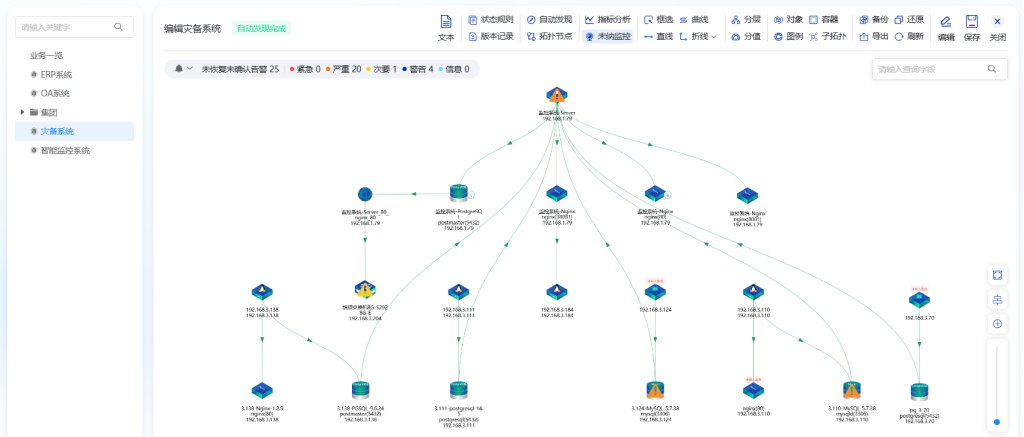
- Gains in-depth insight into businesses, tracks real-time business status and changes, and sorts out business architecture.
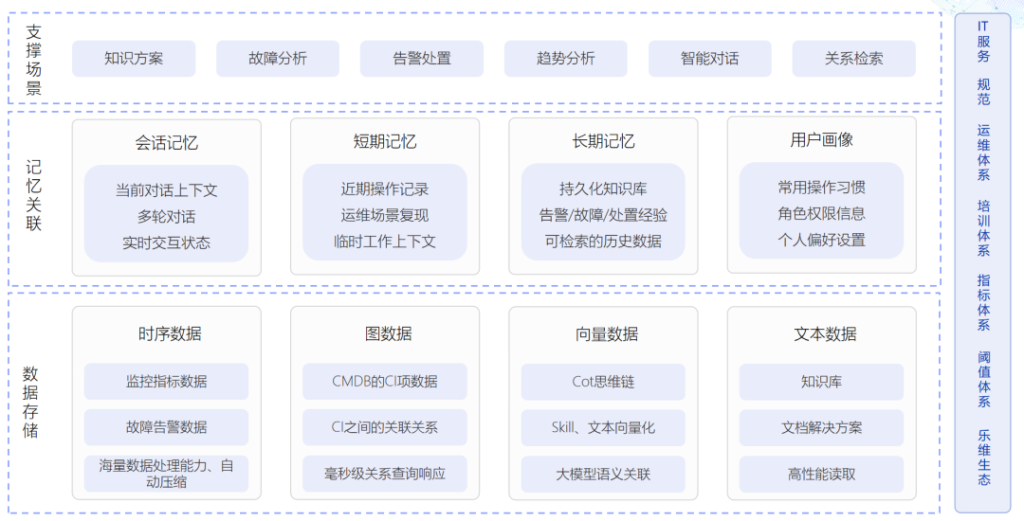
2. Memory Capability
It stores historical data and contextual information to enable intelligent response.
3. Planning Capability
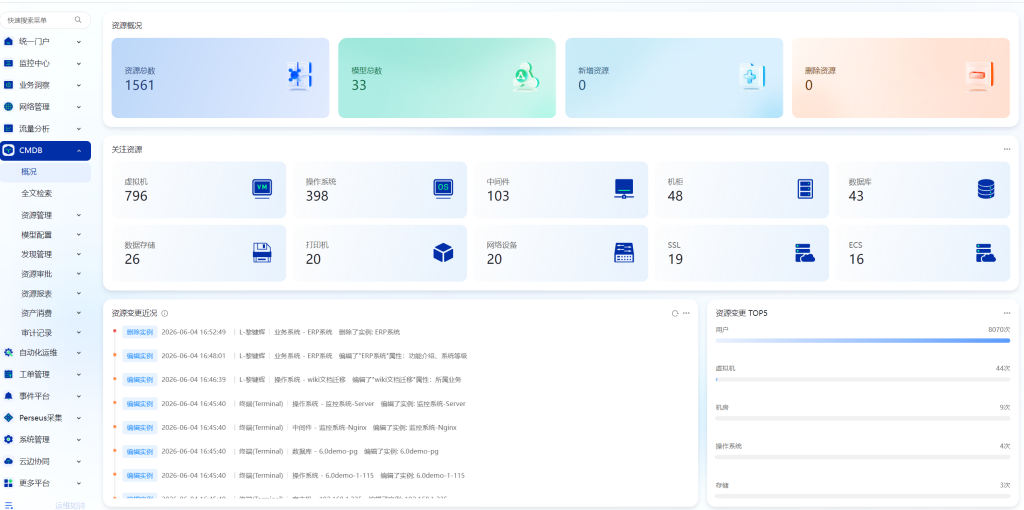
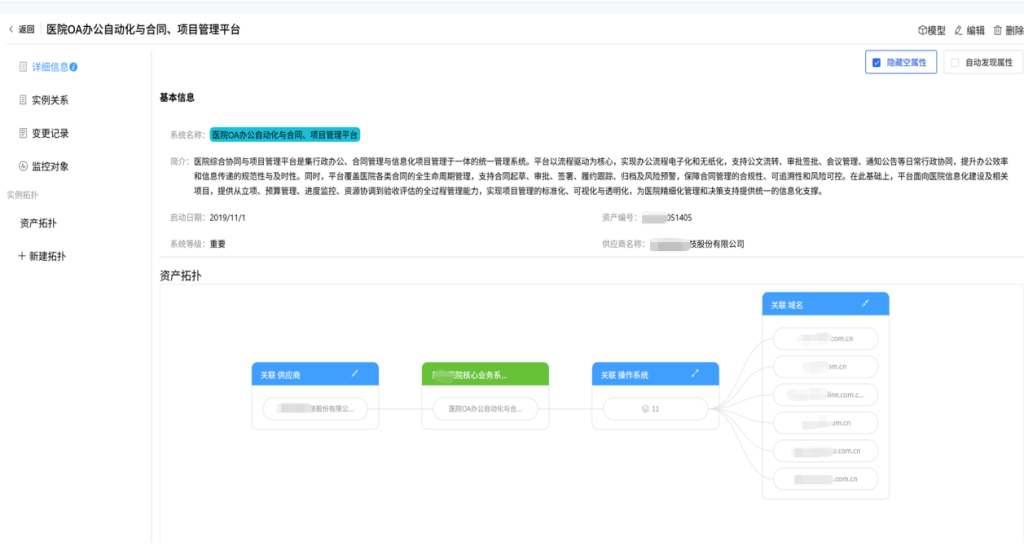
Integrated CMDB features synchronized monitoring and automatic CI data & relationship updates.
- A complete model system supports full lifecycle management of asset attributes, relationships and classifications.
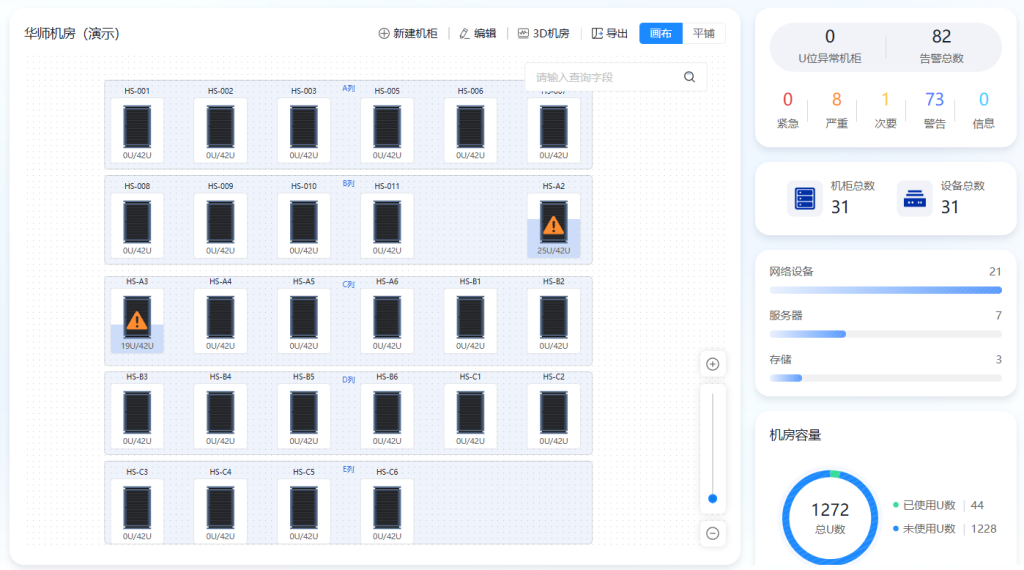
- 3D computer room view unifies cabinet positions, asset information, logical relationships and monitoring data on one interface.
- Combines business insights, eBPF technology and CMDB data to realize efficient business information management.
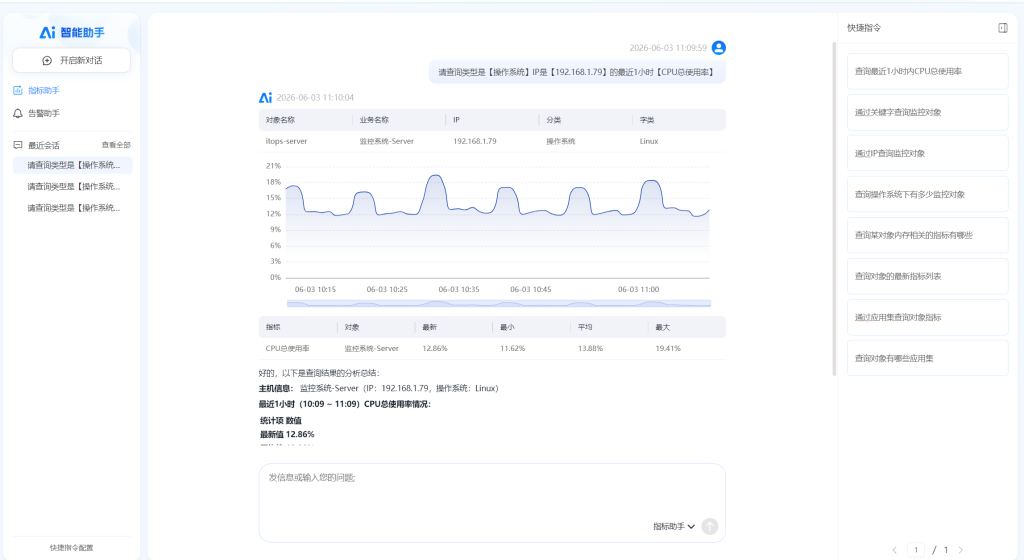
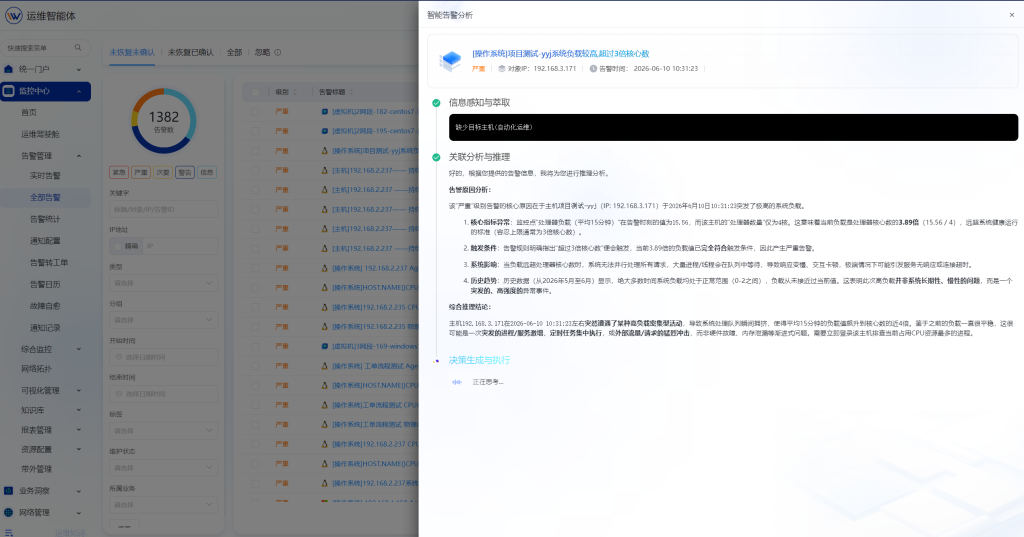
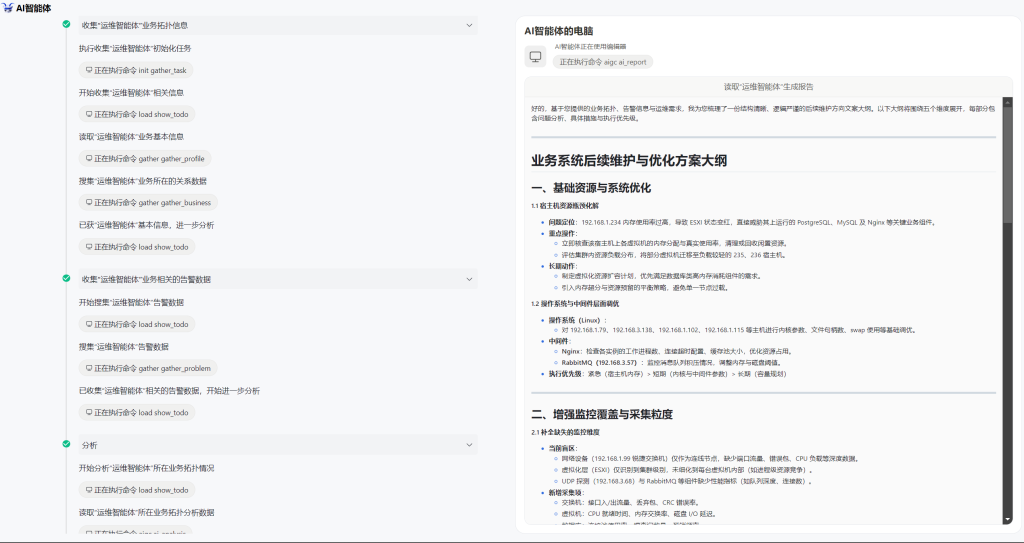
4. Intelligent Brain
Equipped with intelligent analysis, root cause localization, fault prediction and intelligent Q&A functions.
5. Execution Capability
Powered by LerweeClaw intelligent scheduling, it links automation platforms, network management systems and ITSM tools, forming a full closed loop of Perception – Decision – Execution for fault handling.
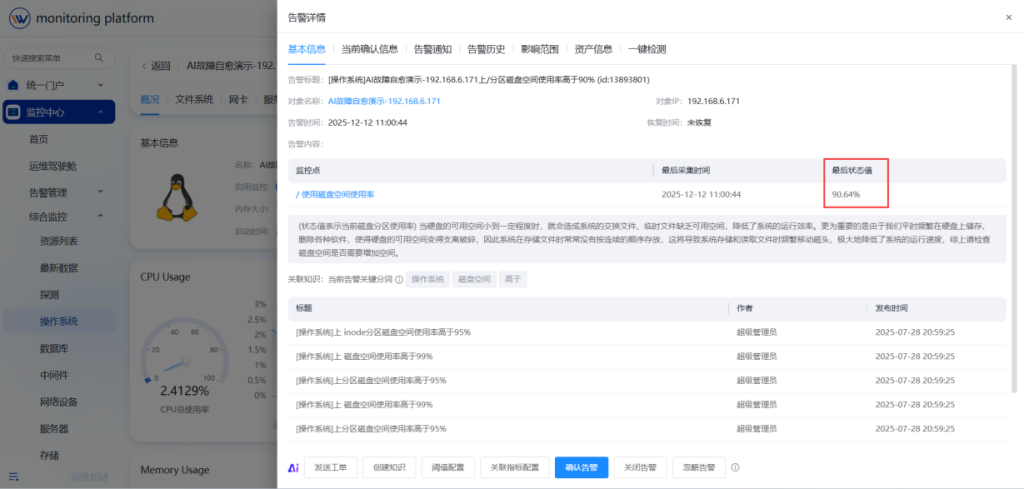
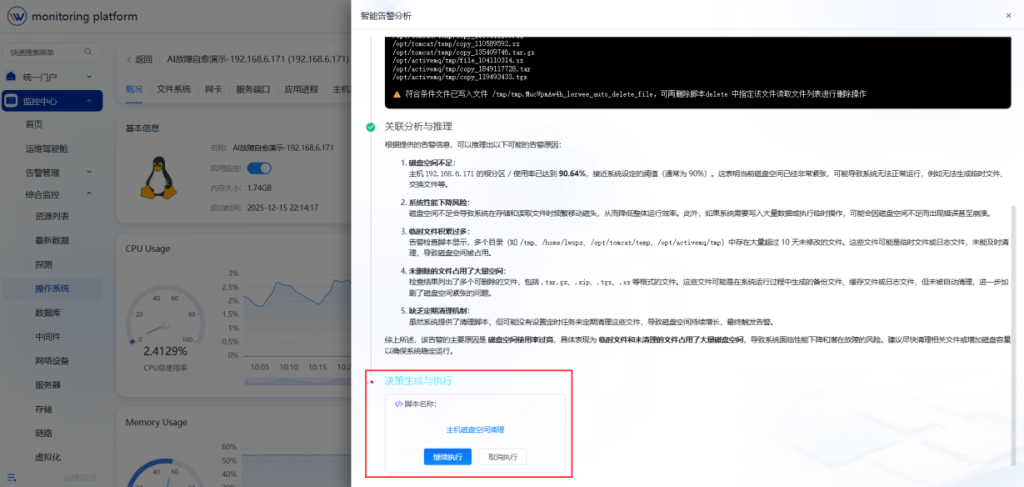
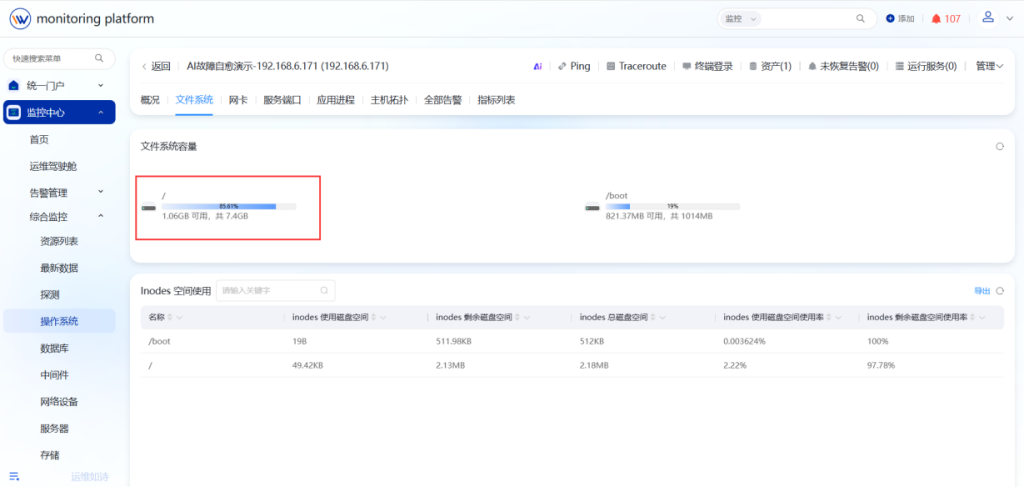
In short: Previously, humans directed tools. In the future, tools will handle most operations autonomously, while humans focus on core decision-making.
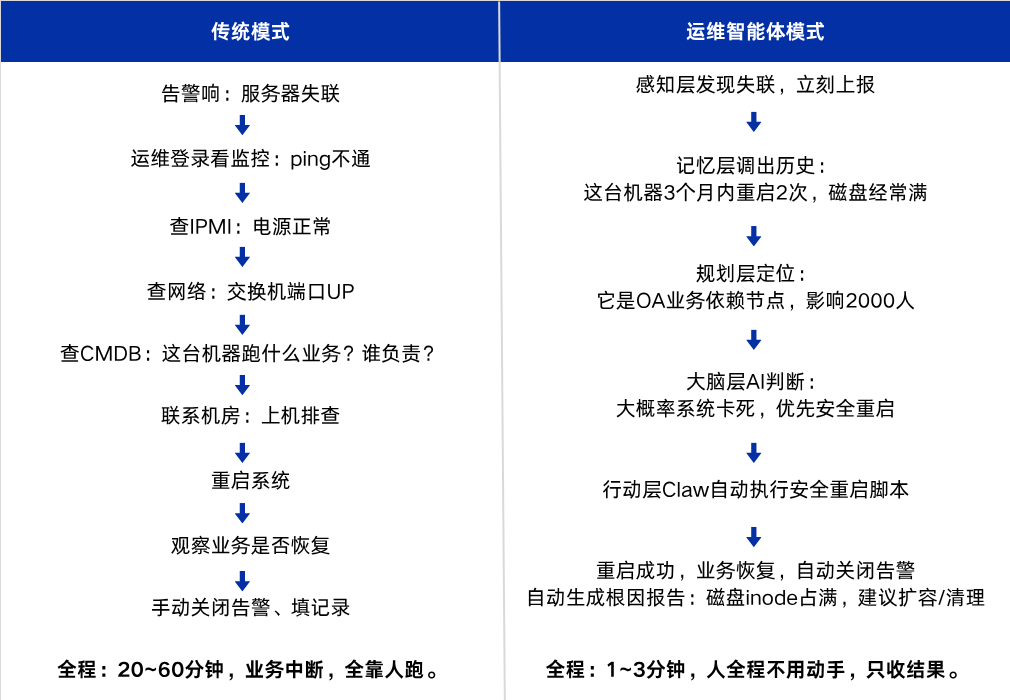
Real-world Scenario: Server outage — Traditional Operations vs. AI Agent
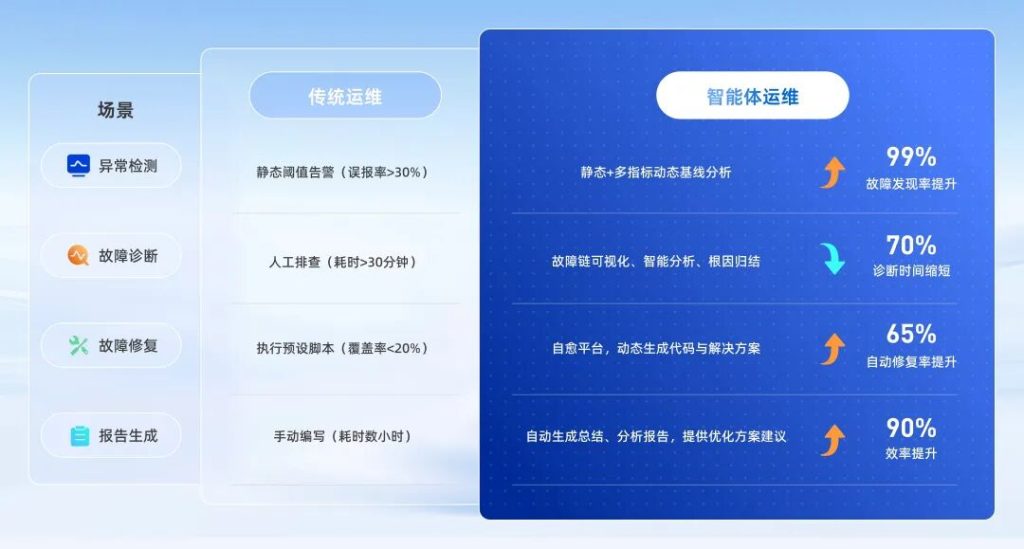
What benefits can the Operations AI Agent bring to your team?
- Better Monitoring, Here with “7” | Lerwee Monitoring V7.0 Released
- zabbix_get基础命令浅析
- Lerwee Intelligent O&M Agent — Building an Interoperable and Scalable Open Ecosystem for Intelligent O&M
- Unite as One, Forge New Tech Journeys | Lerwee LCS Intermediate Certification Training First Huangpu Session Successfully Concluded
- SSL Certificate Automation: Total Game-Changer
- The world’s first all-toolchain integrated O&M intelligent agent joins forces with OpenClaw
 English
  Chinese (Hong Kong)